class ii div i occlusion
This overbite can be caused by an overly prominent upper jaw or an underdeveloped lower jaw. There are three different classes of malocclusion referred to as class I II and III.

1 056 Likes 9 Comments Dentistry Today Dentistry2day On Instagram All Class Restorations Pho Dental Hygenist Dental Anatomy Dental Hygiene School
In this malocclusion the upper front and maxillary teeth project more forward than the lower teeth and the jaw.

. Frontal photographs were taken before and after orthodontic treatment and 35 landmarks. There are contradictory views on the influence of characteristic dento-skeletal pattern on the harmony of a face profile. The mesiobuccal cusp of the upper first molar occludes anterior to the buccal groove of the lower first molar.
Class ii division 1 is when the maxillary anterior teeth are proclined and a large overjet is present. The embrasure between the lower canine and the lower first premolar is shifted backward with regard to the upper canine blue arrows. The class II division 2 differs from division 1 by the following characteristic.
The success of treating Class II division 2 incisor relationship depends on the correction of the transverse anterior- posterior and vertical discrepancies. Orthognathic maxilla and a mild retrognathic mandible. Classification of Class II Malocclusions 4 22 Morphological Features of Class II Division 1 Malocclusions 6 3.
To achieve stability of the corrected malocclusion it is important to correct the inter-incisal angle and edge centroid relationship3. Upper incisors are tilted outwards creating significant overjet. The center of the lower first molar mesiobuccal groove is posterior to the first corner mesiobuccal cusp of.
Class II division 1. The sample subjects were divided into two groups. General clinical features of Class II division 2 Intra-Oral.
An excessive labial proclination and forward position of the maxillary anterior teeth is a common finding in class IIdivision 1 malocclusion. To observe changes in tooth movements of patients with Class I and Class II malocclusion during the first 6 months of orthodontic treatment and to investigate the relation between TMJ problems and these changes. Concave lower third of the face with a protruding nose and tip of the chin thin vermillion and retruded lips.
The pathognomonic features of Angles Class II division 2 group of malocclusion by which it can be differentiated from Angles Class II division 1 are as follows. The restorative result can be disastrous if the pitfalls associated with a lack of thorough evaluation are not recognized and correctly addressed in the treatment plan. Class 2 malocclusions can be subdivided into two categories division 1 and division 2.
Incisor classification 3 2. - Class II molar relation Distocclusion - Class II canine relation - Retroclined maxillary central extruded - Labialy tipped maxillary lateral incisors - Deep bite. 1 Class II malocclusion may also involve craniofacial discrepancies which can be adjusted when patients are adolescent.
Class II malocclusion. A Class II malocclusion is present when the mesiobuccal cusp of the maxillary first molar occludes mesial to the mid buccal groove of the mandibular first molar. A Class II division 2 II2 relationship describes the malocclusion where.
Angles classification 3 15. Keys to normal occlusion 2 14. Class Ii Elastics Youtube Orthodontics Dental Videos Orthodontic Appliances Classes Of Occlusion Dental Caries Dental Hygenist Dental.
ANGLE Class II. Class ii div i occlusion. Class II malocclusion 4 21.
Forsus Class Ii Correctors Dental World Orthodontics Dental. Class II division II malocclusion is often associated with a deep overbite. Class ii division i occlusion Saturday May 7 2022 Edit.
Seen from above the maxillary arch shows an anterior flattened shape compared to a more oblong and narrower shape observed on the maxillary arch of a class ii division 1 or a parabolic shape in normal dentition. The sample was comprised of 63 individuals 20 control 25 Class I malocclusion 18 Class II Div. Class II occlusion is also known as.
Houston 1989 stated that it is essential to reduce. It is the most common malocclusion. Class ii div i occlusion.
Class II division 2. Upper incisors are labially inclined. The upper first molar mesially positioned.
Class II. The typical profile of a person with malocclusion class II division 2. Class II division 2.
Usually the mesiobuccal cusp of maxillary first molar rests in between the first mandibular. CLASS II Division 1 MALOCCLUSION. The discrepancy between the upper and lower teeth does not match the discrepancy between the upper and lower teeth where the molars and canines are located red and blue arrows.
Three types of profiles are seen. Class 2 or class II malocclusions are characterized by upper molars that are too far forward compared to the lower molars. There are two subtypes of Class II malocclusion.
Pin By Linda Purmer Ahiome On Dentistry Buzz Dental Care Dental Dental Decay. Types of class 2 malocclusion. Marked horizontal growth pattern with forwardly rotated mandibular base.
Overclosure closed bite - Decreased overjet - Accentuated curve of Spee - Retroclined lower incisors Extruded lack of stops. Class II division 1. The results showed that 6136 had type 1 1818 had type 2 Class II subdivision malocclusion and 2045 had mixed characteristics.
Class II occlusion occurs when the lower dental arch is posterior more towards the back of the mouth than the upper one. Class II occlusion occurs when the lower dental arch is posterior more towards the back of the mouth than the upper one. The upper incisors are tipped backward and hide the fact that.
Class II division 2. The usual treatment options in growing patients. 2 days ago 13.
Class II occlusion occurs when the lower dental arch is posterior more towards the back of the mouth than the upper one. Class II malocclusion is considered the most frequent problem presenting in the orthodontic practice affecting 37 of school children in Europe and occurring in 33 of all orthodontic patients in the USA. The molar relationship shows the mesiobuccal groove of the mandibular first molar is DISTALLY posteriorly positioned when in occlusion with the mesiobuccal cusp of the maxillary first molar.
According to some authors 3 7 14. Class 2 division 1 division 2. A group that consisted of 20 adult female patients with Angle Class II division 1 malocclusion and a control group that consisted of 28 adult female volunteers with normal occlusion.
Samples of 40 CI subjects 40 CIId1. The profile of a patient with class II has a convex appearance with a retracted chin and lower lip. The Class II Division 2 dental malocclusion with the classic retro-inclination of the upper incisors can be one of the most difficult restorative challenges faced in practice.
DISTOOCCLUSION overjet Molar relationship. Angle and subsequent authors differentiated between Class II division 1 and 2 malocclusions based on the position of the incisors. A Class II malocclusion is present when the mesiobuccal cusp of the maxillary first molar occludes mesial to the mid buccal groove of the mandibular first molar.
The maxillary first molar is more mesially positioned. A class II intermaxillary dental relationship represents a posterior discrepancy of the lower teeth with regard to the upper teeth. The usual treatment options in growing patients.

Orthodontist In Pune Braces Cost In Pune Dentist For Invisalign Invisible Braces Orthodontist Braces Cost Tooth Extraction Care

Economic Dental Hygienist Glasses Dentistselfie Dentalhygienistcup Dental Hygiene Student Dental Jokes Dentistry Student

Forsus Class Ii Correctors Dental World Orthodontics Dental

Class Ii Malocclusion Dental Surgery Dental Esthetic Dentistry

Treatment Of A Crowded Case Without Extraction Dr Loh Kai Woh Orthodontics Treatment Dental

Twitter Dental Anatomy Dental Dentistry

Orthodontic In 2022 Dental Hygenist Dental Braces Dental Anatomy

Dentaltown Where The Dental Community Lives Odontoiatria Letteratura Dentista

Dentaltown Where The Dental Community Lives Odontoiatria Letteratura Dentista

Dentaltown Where The Dental Community Lives Dental Hygiene School Dental Hygiene Student Dental Assistant Study

Passive Ligation Orthodontic Training Dental Training Orthodontics

Classy Dental Facts Dental Registered Dental Hygienist

Classes Of Occlusion Dental Caries Dental Hygenist Dental

Pin On Dh School

Pin By Andrea Acosta On Malocclusion Dental Dental Hygenist Dental Health

Class Ii Elastics Youtube Orthodontics Dental Videos Orthodontic Appliances

Steven Lin On Twitter Dental Hygiene School Dentistry Dental
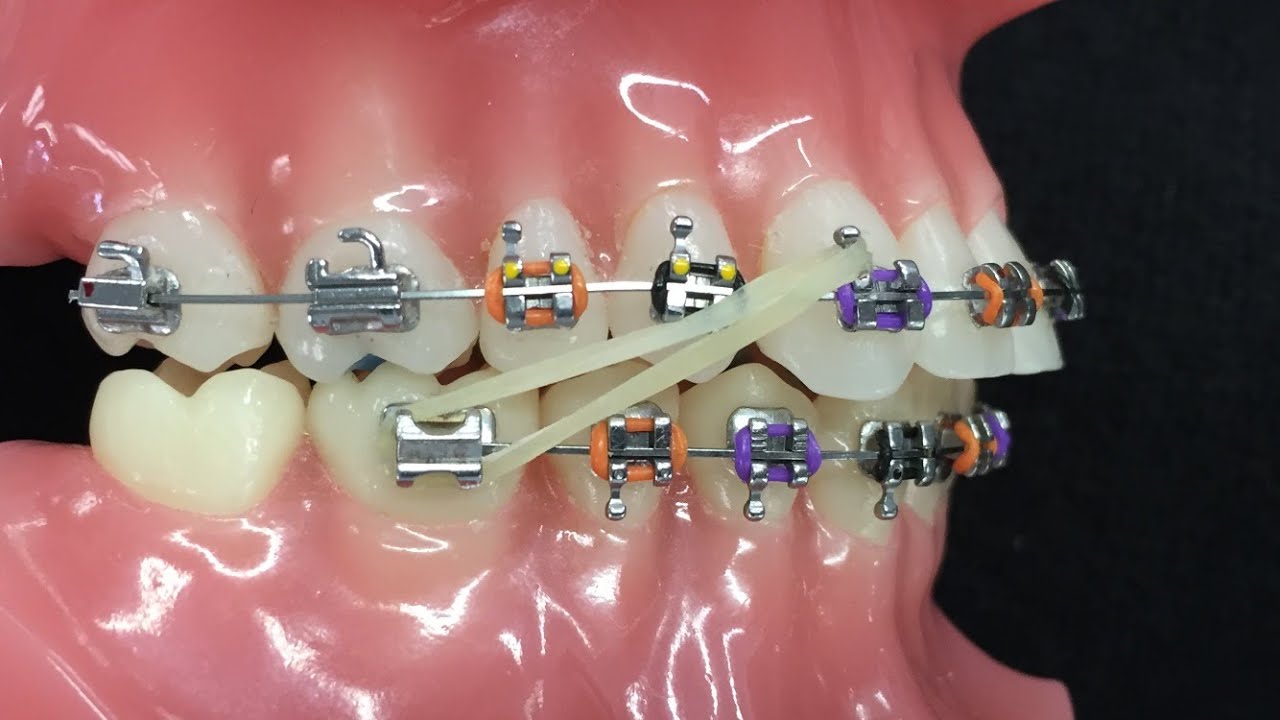
Class Ii Elastics Youtube Orthodontics Dental Videos Orthodontic Appliances
Pin On Dentist